Tibial Intramedullary Nails have become a cornerstone in fracture treatment. Studies show that they significantly enhance healing rates and functional outcomes. A report by the American Academy of Orthopaedic Surgeons noted a 30% improvement in recovery time with this method compared to traditional fixes.
The use of Tibial Intramedullary Nails promotes stability and alignment, which are critical for bone healing. However, the technique requires skilled surgeons to avoid complications. Some practitioners still struggle with the proper placement of these nails, leading to potential misalignment issues. Additionally, ongoing training and adherence to best practices are essential for optimizing patient outcomes.
Despite the acknowledged benefits, there are concerns about the risks of infection and surgery-related complications. A study indicated that 15% of patients experience postoperative challenges. It underscores the need for thorough assessments before opting for this treatment. Proper patient selection is vital. By prioritizing education and expert guidance, we can ensure safer, more effective applications of Tibial Intramedullary Nails in clinical practice.
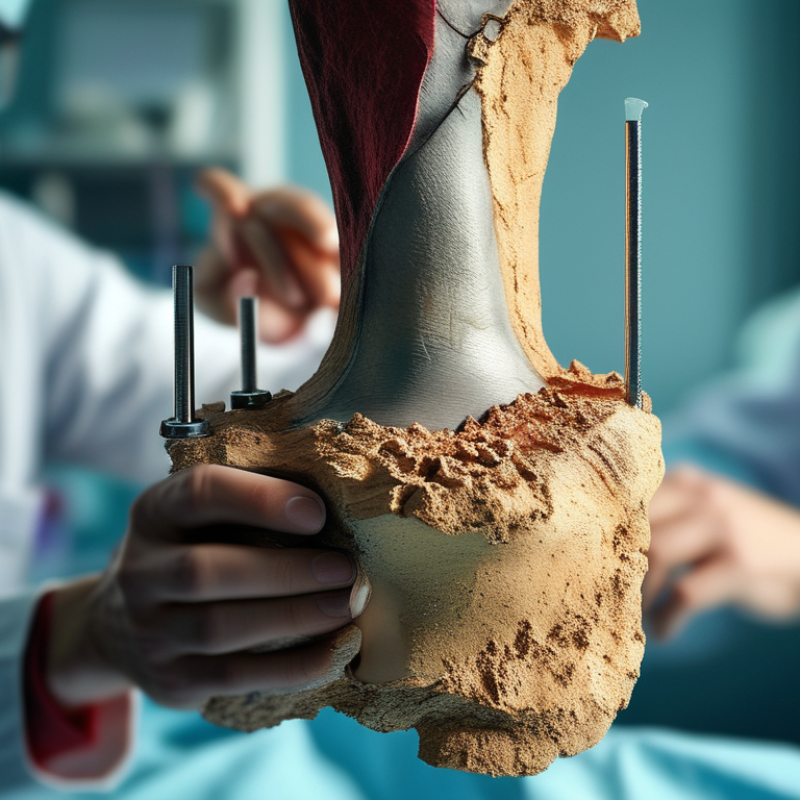
Tibial intramedullary nails have gained popularity in fracture treatment due to their numerous advantages. These nails offer a stabilized environment for bone healing, which is essential for recovery. Their design allows for aligned fixation, minimizing damage to surrounding tissues. This approach often leads to faster rehabilitation and a return to daily activities.
Using tibial intramedullary nails provides benefits such as reduced risk of malunion. This can greatly impact the overall healing process. Surgeons often prefer this method due to its minimally invasive nature. It’s worth noting that while the technique is effective, it does require careful planning and skill. Complications can arise if not implemented correctly, necessitating thorough training for medical professionals.
Tips for patients include discussing all options with your doctor. It's crucial to consider personal health factors. Ask about rehabilitation protocols to understand post-operative care thoroughly. Keeping an open line of communication with your medical team is vital. It helps address concerns and ensures proper recovery. Remember, each individual’s experience with tibial intramedullary nails can differ, and patient input is essential.
| Advantage | Description | Clinical Evidence |
|---|---|---|
| Minimally Invasive | Allows for smaller incisions, reducing soft tissue damage. | Studies indicate lower infection rates compared to traditional open methods. |
| Stable Fixation | Provides strong structural support for bone healing. | Outcomes show high success rates in weight-bearing ability after surgery. |
| Reduced Surgery Time | Implantation can be completed in a shorter period, enhancing overall surgical efficiency. | Surgical time studies reveal reduced duration when using intramedullary nails. |
| Reduced Risk of Nonunion | Promotes optimal alignment and stability of fractured bones. | Meta-analyses show decreased nonunion rates with the use of intramedullary nailing. |
| Early Mobilization | Patients can often bear weight and start rehabilitation sooner. | Research indicates faster recovery times compared to external fixators. |
: They stabilize tibial fractures effectively, especially for complex or unstable cases.
They create a stabilized environment, promoting alignment and faster recovery times.
They reduce the risk of malunion and allow for early mobilization.
Infections and improper nail placement can lead to complications like malalignment.
Discuss all options thoroughly with your doctor and understand post-operative care.
Soft tissue irritation and delayed bone healing may affect recovery.
No, individual experiences vary greatly, depending on the injury and healing process.
It’s best for diaphyseal fractures, but personal health factors should be considered.
Maintain open communication with the medical team and follow rehabilitation protocols.
Yes, plates and external fixators can be effective for certain types of fractures.
Tibial Intramedullary Nails have become a preferred choice for treating tibial fractures due to their numerous advantages, including effective stabilization and minimal bone disruption. These nails are especially indicated for various types of tibial fractures, particularly those that require internal fixation for proper alignment and healing. When compared to other fracture fixation methods, such as plates or external fixators, Tibial Intramedullary Nails offer superior biomechanical strength and a lower profile, which can lead to improved patient outcomes.
Post-operative care following the insertion of Tibial Intramedullary Nails is crucial for ensuring successful recovery, often involving physical therapy and regular follow-ups to monitor healing. However, patients should also be aware of potential complications and risks associated with this method, such as infection or nonunion. Overall, the benefits of Tibial Intramedullary Nails in fracture treatment make them a valuable option in orthopedic surgery.

 Moventra Medical